KWIBUKA29: THE HOSPITAL COMMEMORATES THE 1994 GENOCIDE AGAINST THE TUTSI
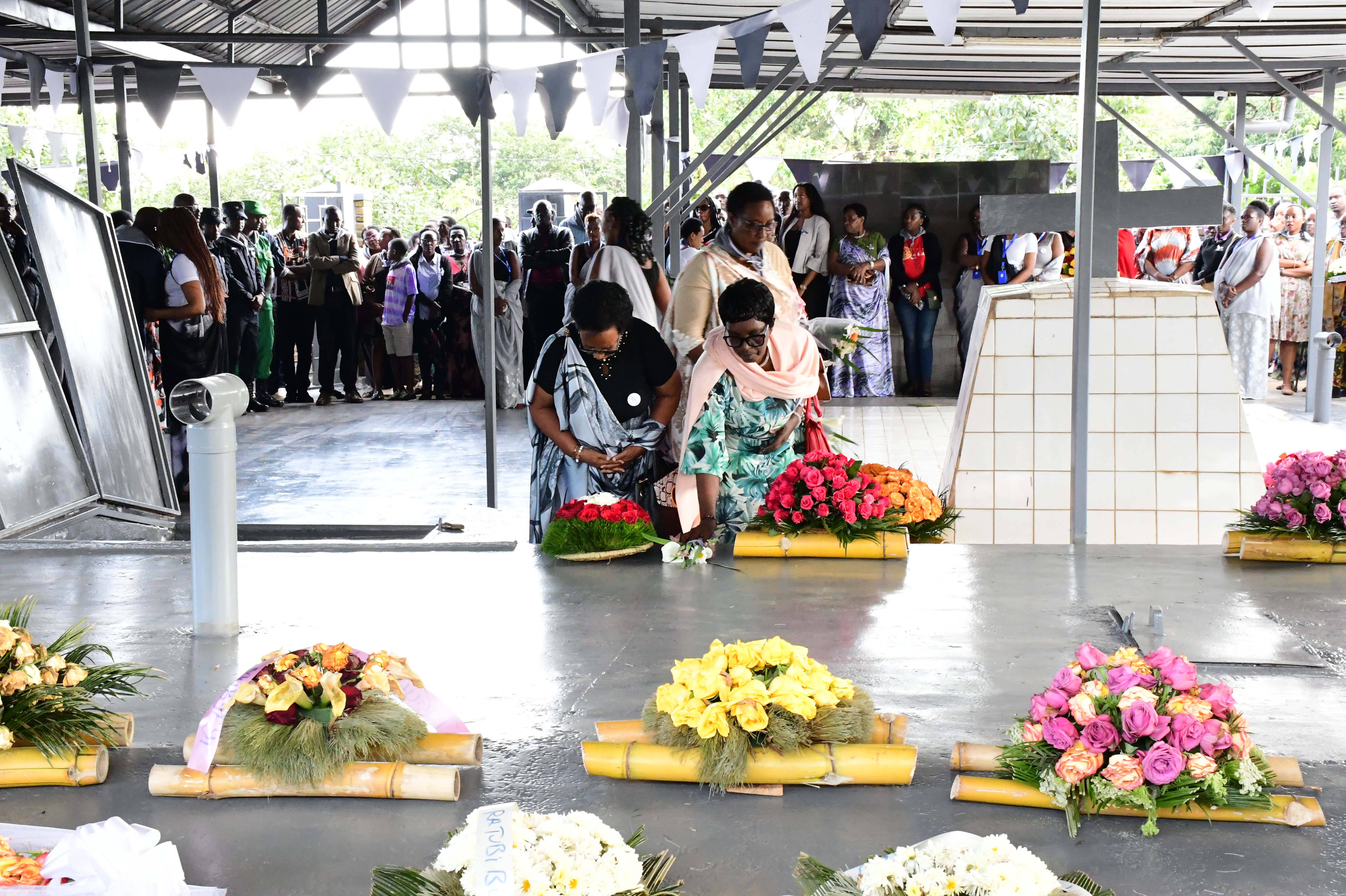
This Monday, April 17, 2023, the Hospital has paid tribute to its former employees, patients and neighbours who were killed during the 1994 Genocide against the Tutsi.
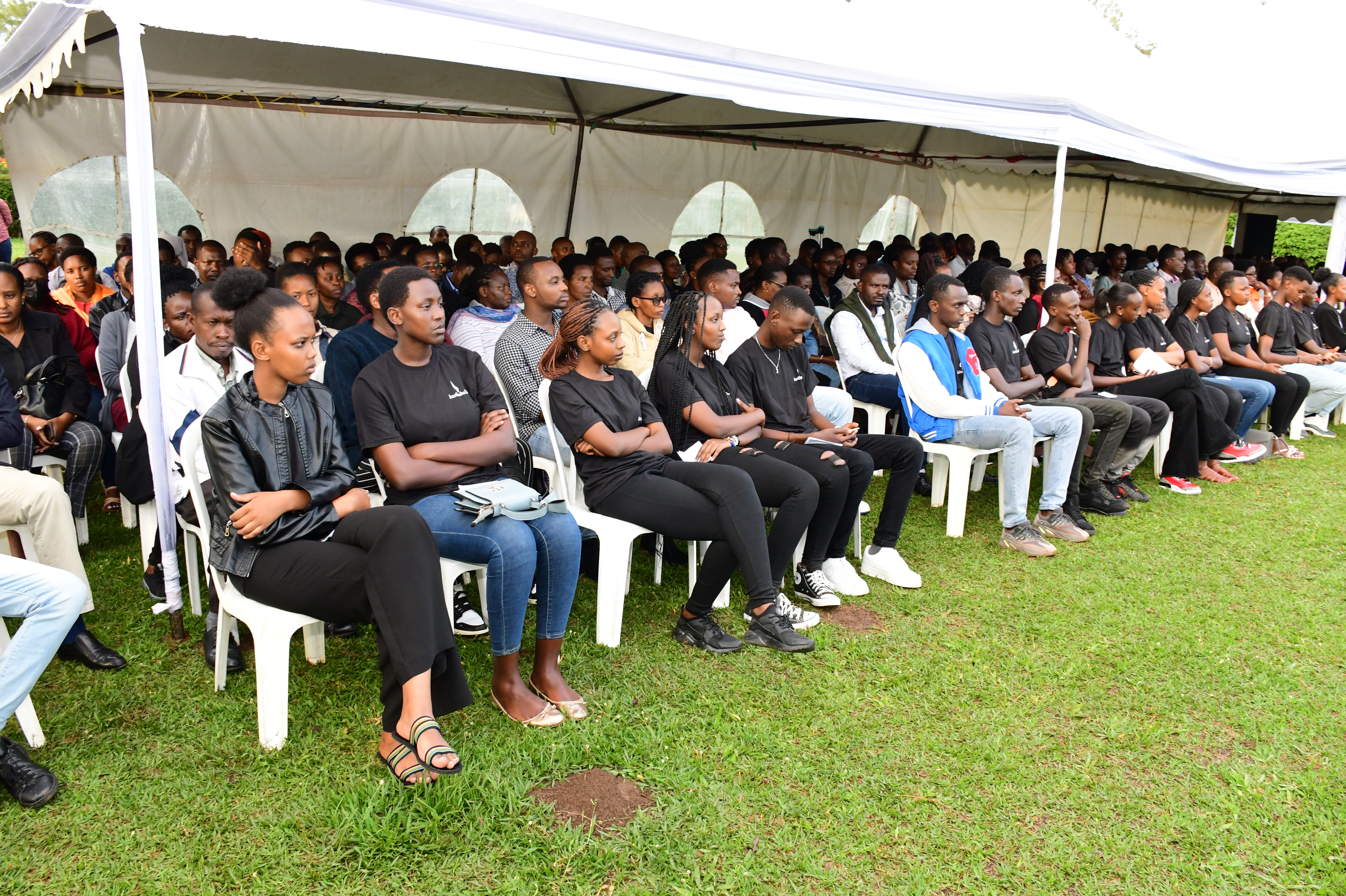
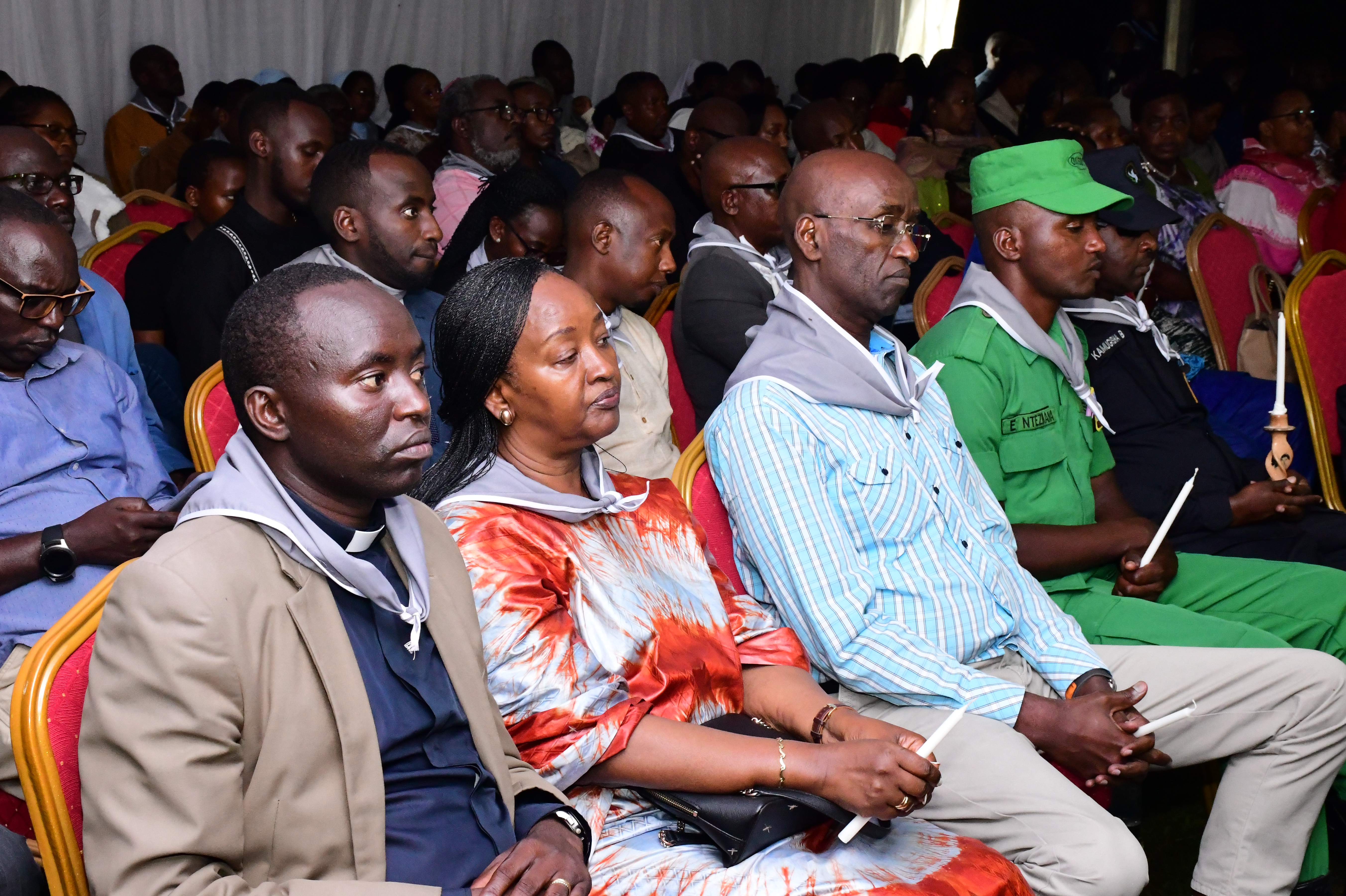
The officials at various levels joined the staff members, neighbours, Genocide survivors and the families whose relatives are laid to rest in CARAES Ndera Genocide Memorial in the commemorative event held at the hospital. The officials include the Division Manager of Gasabo District, Mr. Jean Marie Vianney Ntaganzwa, who was the guest of honour, the representatives of AERG, GAERG, IBUKA, the management of Ndera Neuropsychiatric Teaching Hospital, security organs, among others.
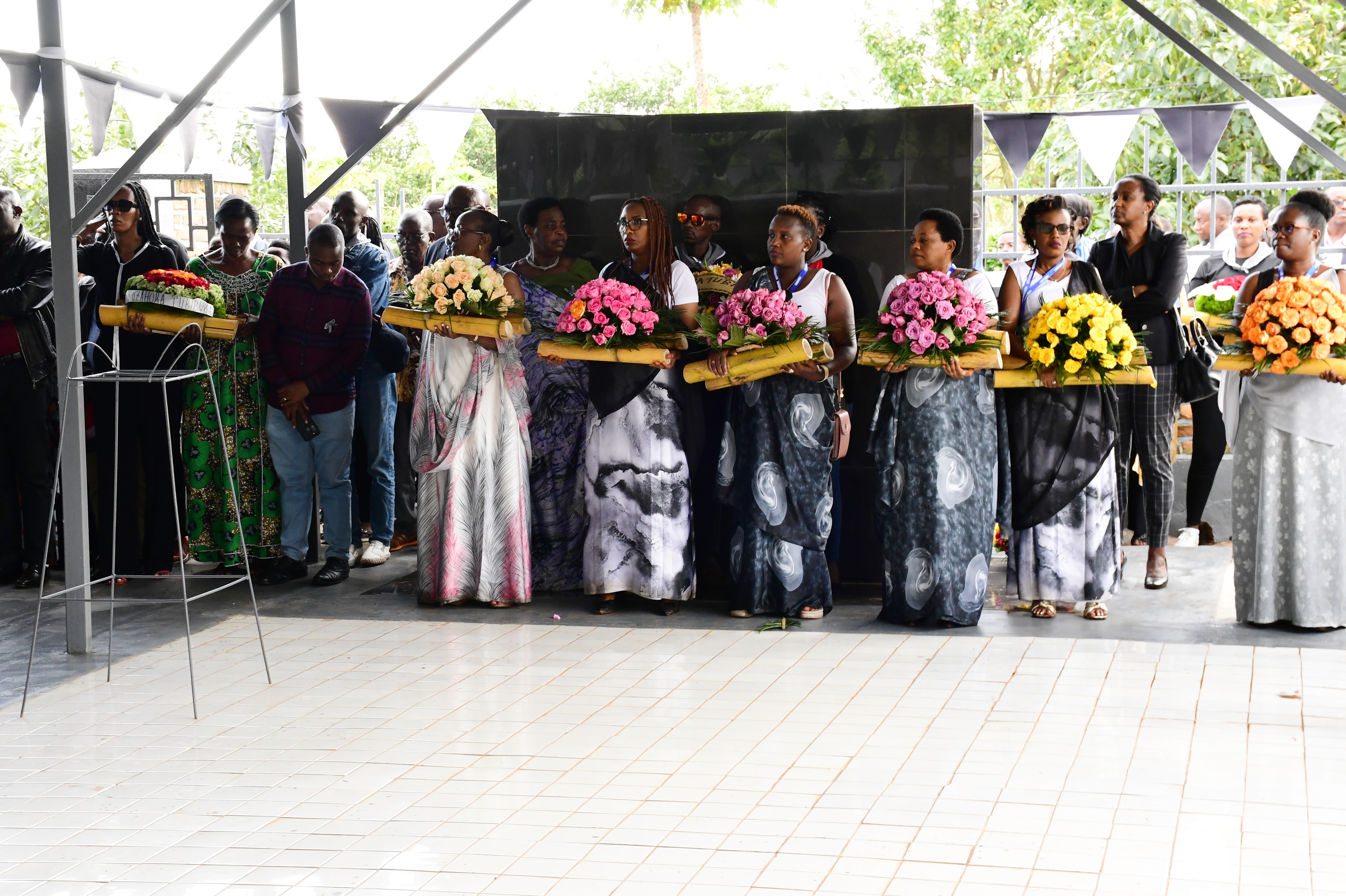
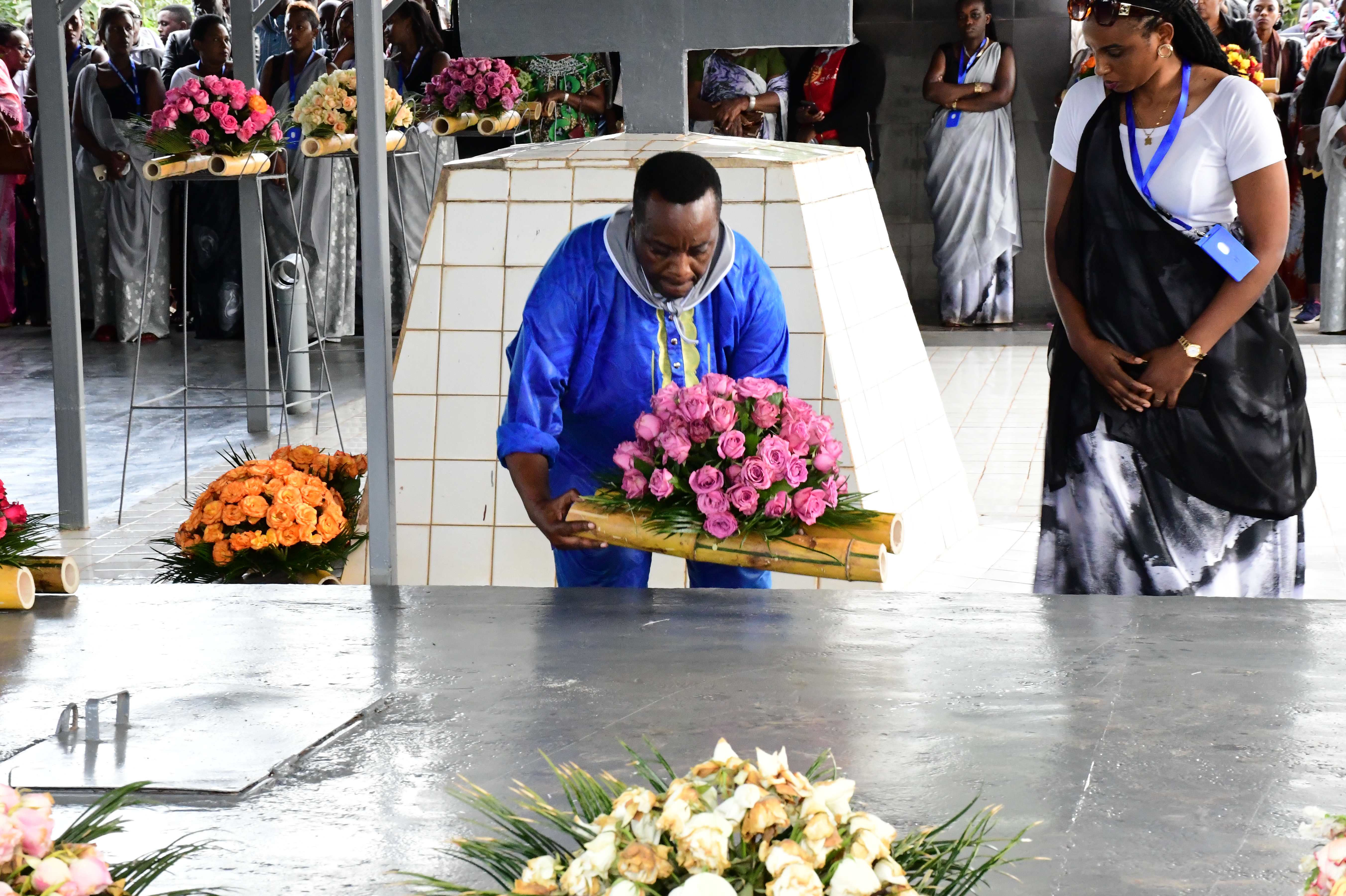
This event was started with the laying of wreaths at CARAES Ndera Genocide Memorial.
In his opening remarks, the Director General of Ndera Neuropsychiatric Teaching Hospital, Brother Charles Nkubili, said that April 17 is painful day for survivors, who remember how international community abandoned Tutsis who had fled to the hospital for safety, when Belgian soldiers escorted to the airport all Belgian nationals from the hospital premises, leaving Tutsis helpless in hands of Interahamwe militiamen.
After a week trying to defend themselves against the attacks since April 11, 1994, Tutsis could nothing more, especially after the militiamen finally got the help from national army stationed at Kanombe military camp, on April 17, 1994.
Murayire Protais delivered a speech on the history of the 1994 Genocide against the Tutsi, explaining how the genocide was systematically prepared for decades and eventually executed in 1994. The ordeal of the Tutsis over the years and particularly in 1994, was also reiterated in the testimony of Grace Usabye, who lost family members at Ndera.
Pascal Ndayambaje, Ibuka Commissioner in charge of Audit, said that Kwibuka, which means 'remembering', is very important for Rwandans, to reflect on the past and be able to move forward and to prevent genocide to ever happen again. He added that Kwibuka is a medicine for the wounds of the tragic history of the Genocide against the Tutsi in 1994. He encouraged Genocide survivors in particular to keep remembering, in order to heal the pain of the loss of their loved ones, and to prevent or treat trauma.
The Division Manager of Gasabo District, Mr. Jean Marie Vianney Ntaganzwa, said: “The genocide memorial sites we have are home to 132,000 victims, CARAES being one of the 11 sites. The most surprising fact about this genocide in Gasabo is that, while it lasted 100 the whole country, it only lasted one week in our district and killed such a high number of victims."
He explained that Gasabo was home to most powerful leaders in the country at the time, including military leaders, making it easier to mobilize the tools and people to do the killing. “The force and speed of the genocide here was extreme,’ he added.
Mr. Ntaganzwa said that Rwanda now has good leadership, which always prioritizes the unity of the citizens and the prevention of the genocide of any kind. He called on all Rwandans, especially youth, to strive for their own development and that of the country, and to join the battle against the genocide ideologists and deniers, who are increasing on various social media platforms.
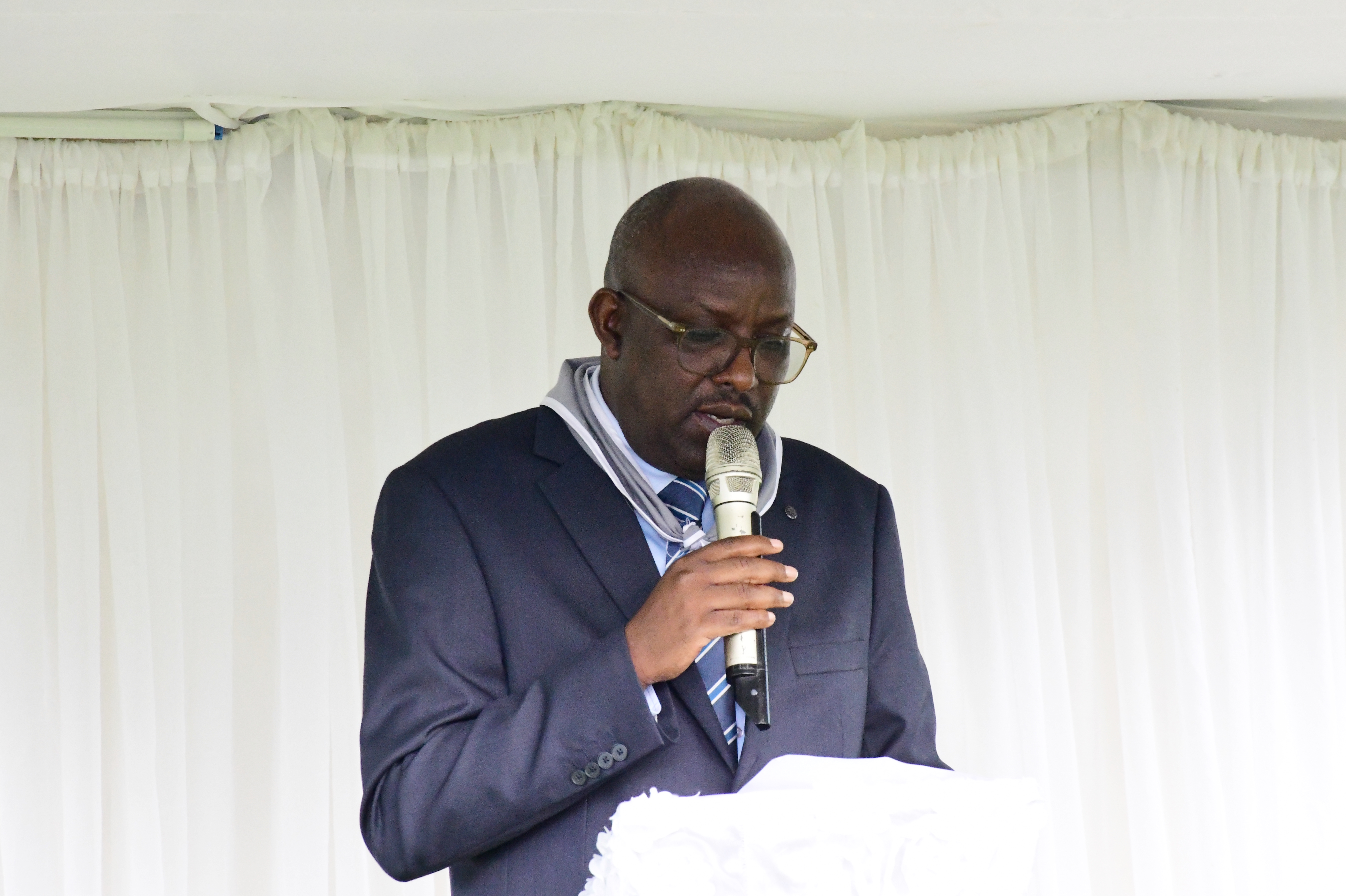
The Director General of Ndera Neuropsychiatric Teaching Hospital, Brother Charles Nkubili, delivering welcome remarks
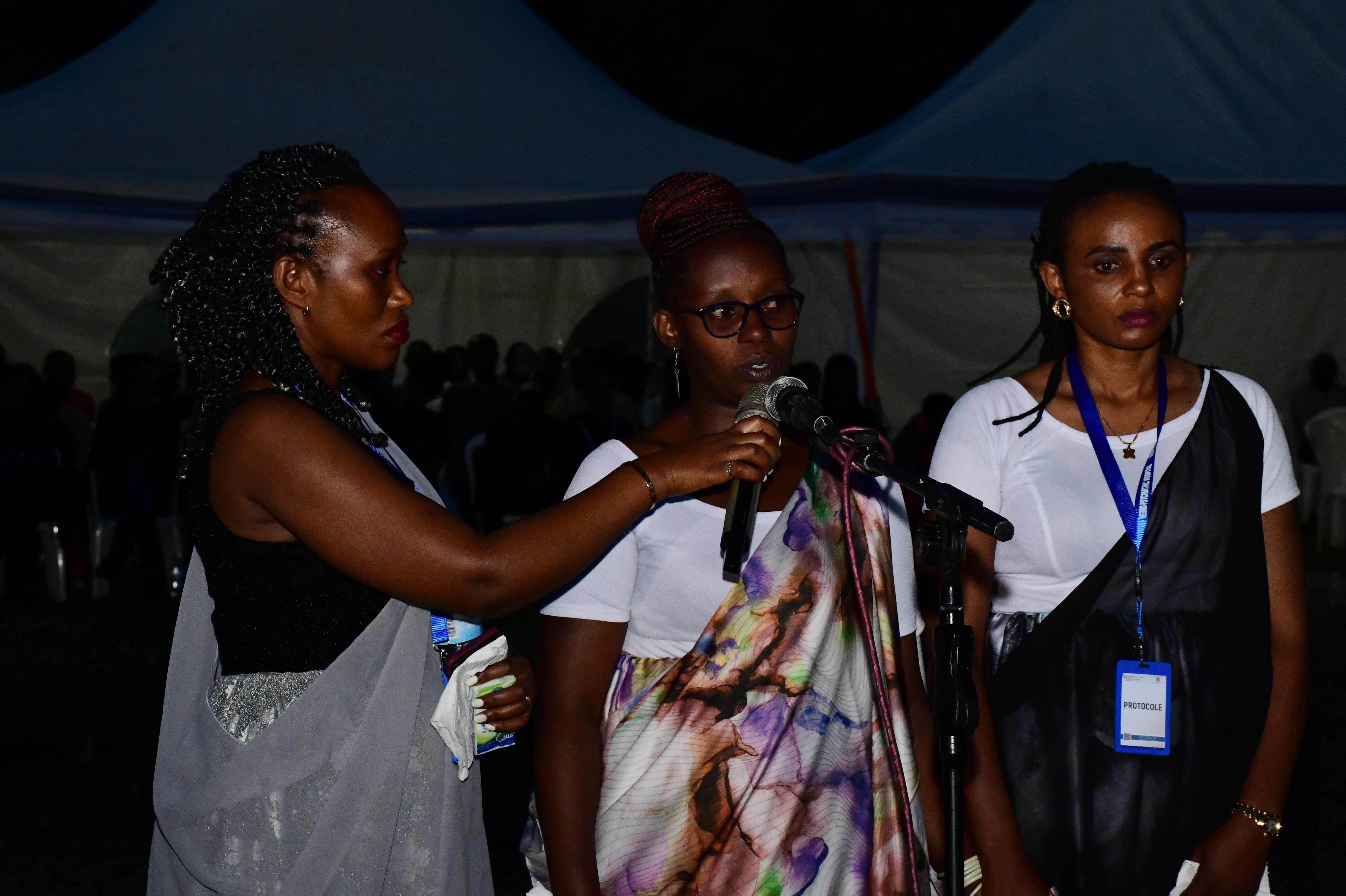
Grace Usabye narrating her ordeal during the 1994 Genocide against the Tutsi.
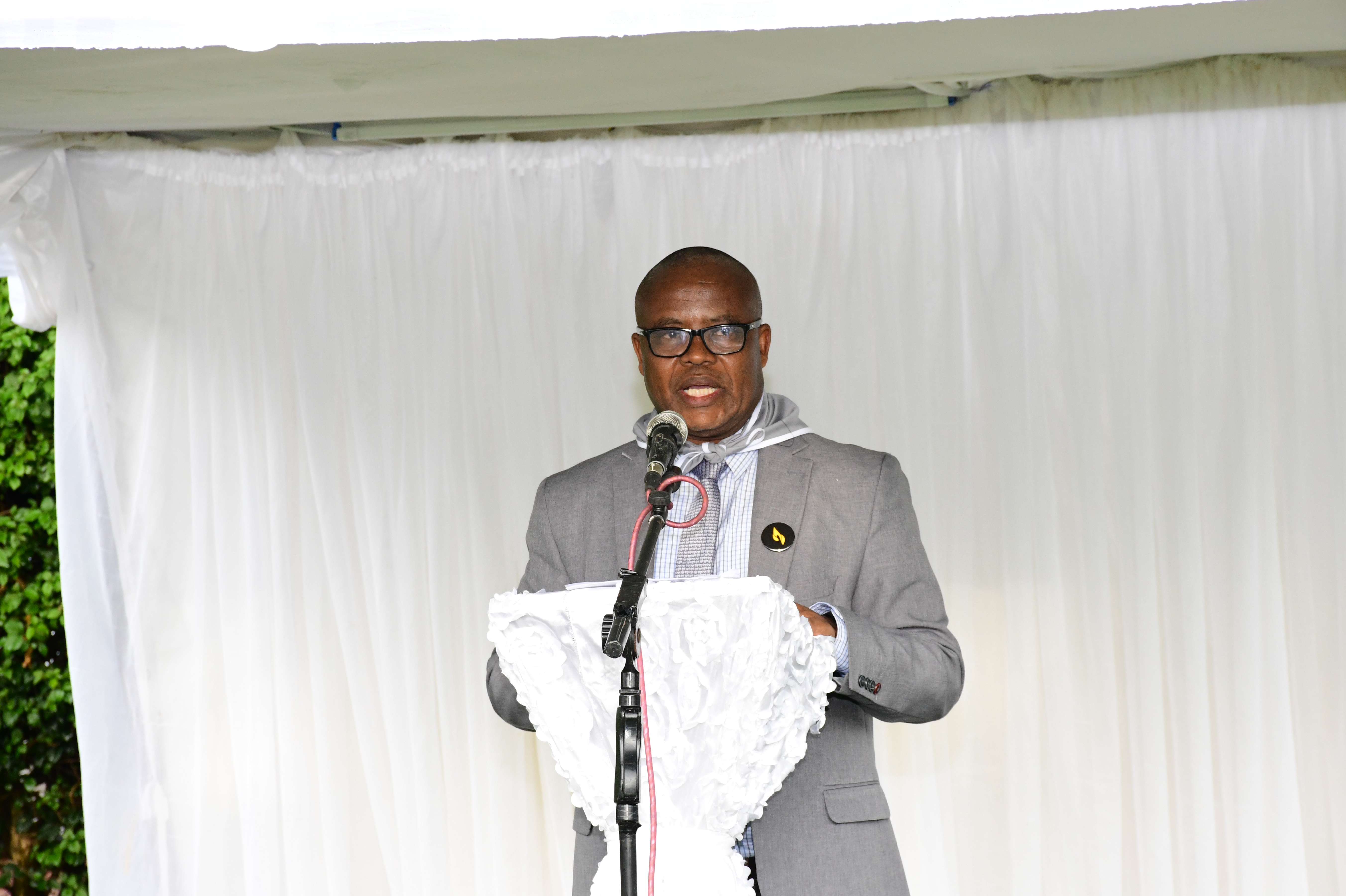 Murayire Protais gave a speech about the history of the 1994 Genocide against the Tutsi
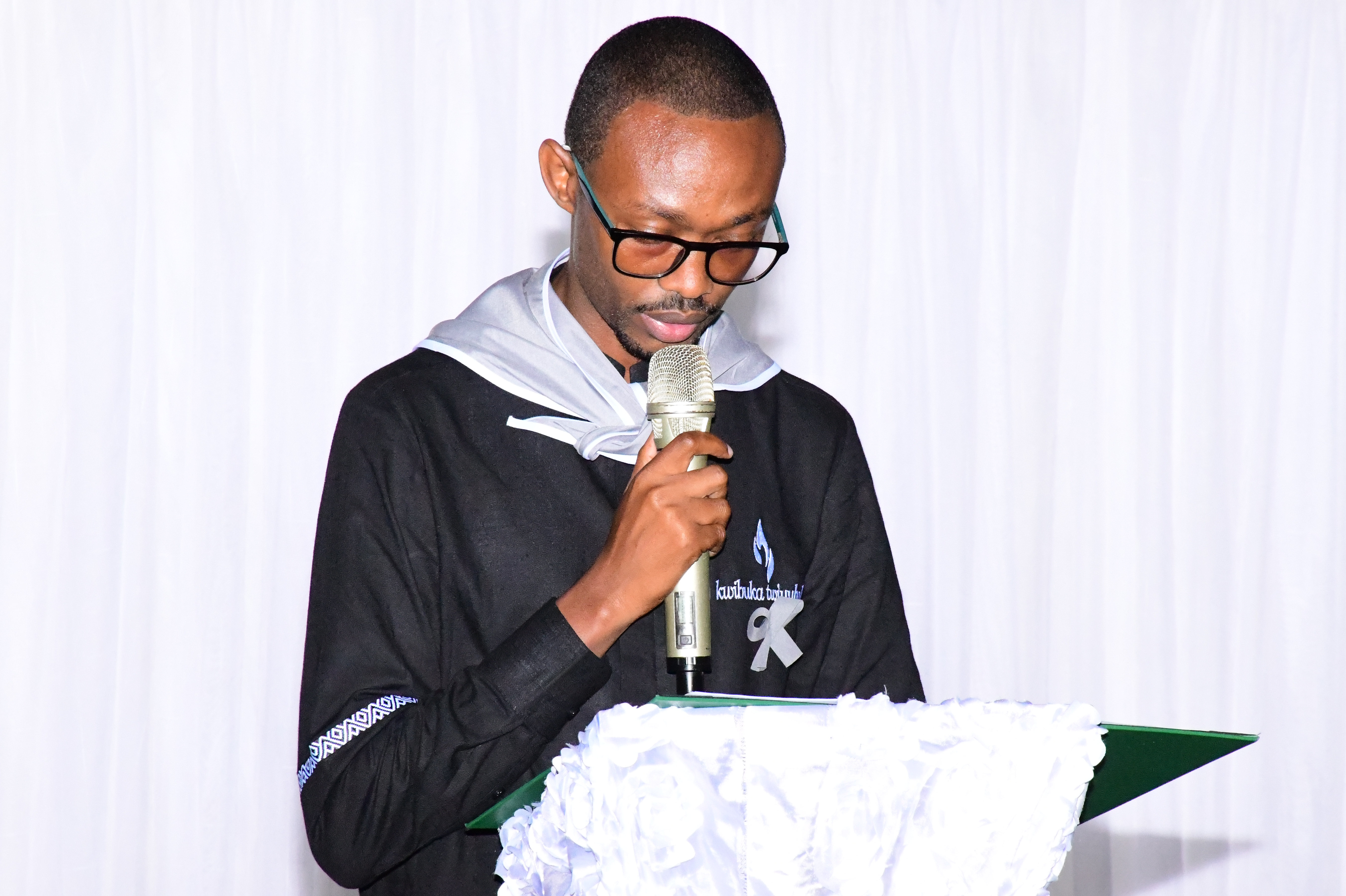
Pascal Ndayambaje, Ibuka Commissioner in charge of Audit, speaking on behalf of the Genocide survivors’ umbrella body, IBUKA
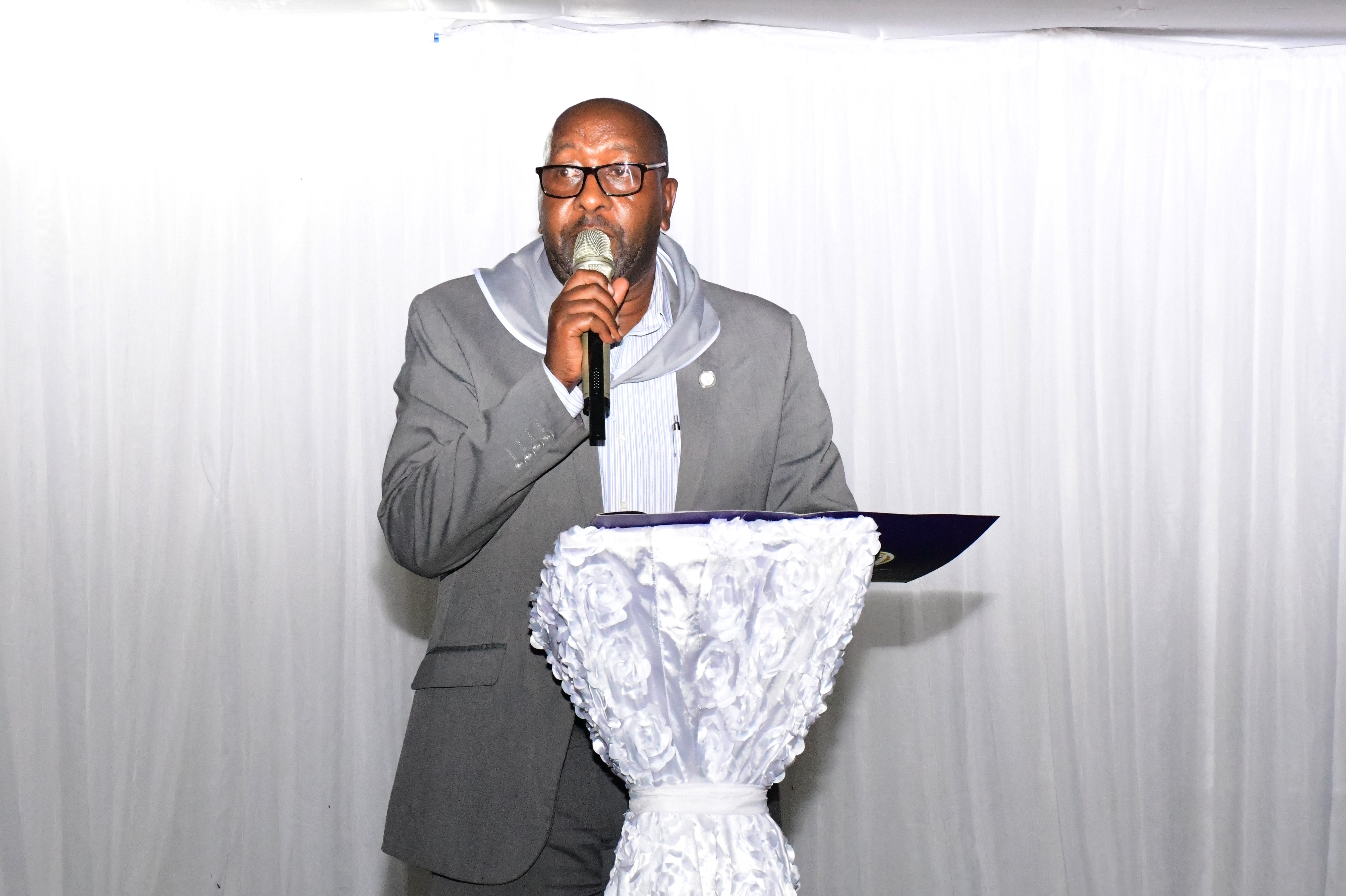 The Division Manager of Gasabo District, Mr. Jean Marie Vianney Ntaganzwa